

Last Updated: November 8, 2026
Quick Summary
A homeowner interior painting preparation checklist means clearing access, removing fragile items and valuables, arranging for pets and children to be elsewhere, and confirming in writing who moves furniture, handles minor repairs, and cleans up. Interior painting preparation works best when homeowner and crew agree on responsibilities before day one.
- Declutter décor, pictures and shelves, and box small items out of the room.
- Point out holes, cracks and damaged trim so the crew can confirm patching.
- Ask which surfaces get covered, with what, and who moves furniture that stays.
- In California, contractors generally need a license for projects of $1,000 or more.
- Walk each room with the lead painter to check cleanup and flagged repairs.
Table of Contents
- What to Do Before Interior Painters Arrive
- How to Prepare a Room for Painting: Step by Step
- Interior Painting Furniture and Floor Protection
- What Painters Handle vs. What You Should Do
- How to Prepare for Painting When You Are Hiring Professionals
- How Long Should Preparation Take?
- Your Preparation Checklist at a Glance
- Preparing for the Walkthrough
- Frequently Asked Questions
What to Do Before Interior Painters Arrive
A homeowner interior painting preparation checklist separates a smooth repaint from a week of scrambling, and interior painting preparation starts before the crew arrives. Across Central Coast projects, the smoothest jobs tend to share one trait: homeowner and crew agreed on responsibilities before day one.
Clear access, remove fragile items and valuables, arrange for pets and children to be elsewhere, and confirm in writing who moves furniture, handles minor repairs, and cleans up.
How to Prepare a Room for Painting: Step by Step
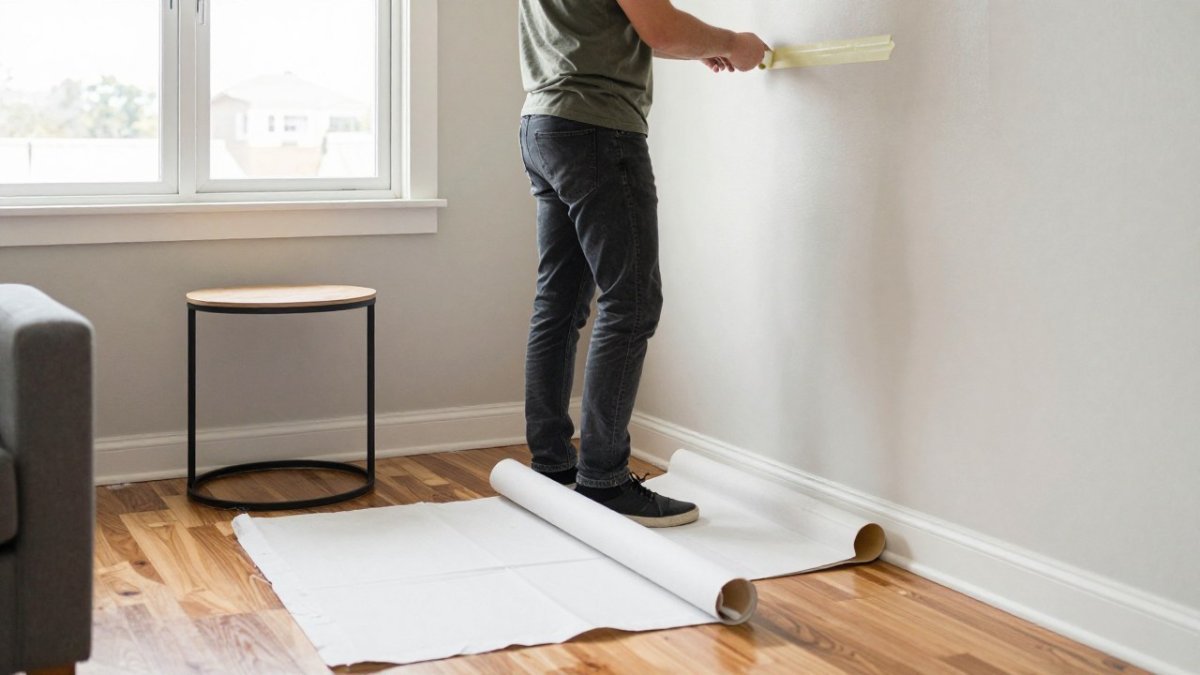
Declutter décor, pictures, and shelves, and box small items out. Clear a path for ladders and equipment, and remove jewelry, electronics, and breakables. Arrange pets and children away from the work area and agree on door access. Ask whether moving large furniture is included, note holes, cracks, and damaged trim for the crew to confirm patching, and ask how floors, furniture, and fixtures are covered and what cleanup includes.
For room-specific guidance, our how-to guides walk through preparation room by room. Once the plan is clear, contact our team to request an estimate.
Interior Painting Furniture and Floor Protection
Protection is a shared job, and the split should be written down. Protection is usually discussed in the written scope; your part is clearing surfaces so coverings can be laid down. Ask which surfaces get covered and with what, whether fixtures, hardware, and outlets are taped or removed, and who moves furniture that stays.
If cabinetry is in scope, our article on whether cabinet repainting beats replacement covers the trade-offs.
Never assume wood replacement or rot repair is folded into a painting quote. Ask directly, in writing.
What Painters Handle vs. What You Should Do
| Task | Typically the Painter | Typically the Homeowner |
|---|---|---|
| Covering floors and furniture | Yes | Confirm the plan |
| Patching minor holes and cracks | Confirm in scope | Point out damage |
| Moving large furniture | Confirm in scope | Clear small items |
Two gaps cause most disputes: minor surface repair and cleanup. Get both in the written scope.
How to Prepare for Painting When You Are Hiring Professionals
Agree on start times, which doors the crew uses, where equipment is staged, and entry if you work during the day. Confirm the written scope lists surface preparation, coating systems, protection of surrounding areas, and scheduling.
In California, contractors generally need a license for projects of $1,000 or more, or for work requiring a permit or employees (Before Applying For Exam). Ask for the license number and check it before work starts.
California Contractors State License Board consumer guide
How Long Should Preparation Take?
Timing depends on room count, furniture volume, and repair needs. An empty bedroom moves fast; a furnished living room with damaged walls takes longer. Ask for a timeline in writing rather than relying on a fixed reoccupancy promise.
Your Preparation Checklist at a Glance
Access confirmed; fragile items and valuables removed; décor and shelves down; pets and children arranged; furniture plan agreed in writing; repairs identified and scoped; protection and cleanup responsibilities confirmed; written scope reviewed and signed.
Preparing for the Walkthrough
Walk each room with the lead painter and check protection removal, cleanup, and any areas you flagged for repair.
Still comparing options? Read our guide to what to expect from an interior painting estimate. When ready to schedule, our residential painting services page shows what we offer and how to request a quote.
Preparation is the part of a repaint most homeowners underestimate, and it is the part we have refined across four decades of Central Coast projects. Coast Painting brings more than 40 years of experience, a written scope for every job, and careful protection of your home from the first drop cloth to the final walkthrough. We handle residential, commercial, and industrial work, with scheduling built around how you actually use your space.
Frequently Asked Questions
What should I move or remove before interior painters arrive?
Remove fragile items, valuables, wall decor, and anything personal you do not want exposed to dust or paint. Clear agreed access paths and move small furniture out of the work area. Discuss large or heavy furniture with your painter in advance, because moving it is usually a shared responsibility spelled out in the written scope. Arrange pets and children away from the work zone, and confirm who protects floors and who cleans up at the end of each day.
Who is responsible for protecting floors and furniture during painting?
That depends on the written scope, so confirm it before work starts. Protection is typically addressed in the written scope, while homeowners clear breakables and small items. Ask specifically who moves furniture, who covers floors, and who cleans up. Getting these responsibilities in writing prevents disputes and keeps the project on schedule.
How long should I wait before using a freshly painted room?
Reoccupancy depends on the coating, humidity, ventilation, and how many coats were applied, so ask your painter for guidance rather than assuming a fixed time. Light use of a room is often possible sooner than hanging pictures or moving heavy furniture back against fresh walls. Keep pets and children out until surfaces are fully dry, and follow the manufacturer’s recoat and cure directions for the specific product used.
